
Call us now :07315122360
 Send Inquiry
 Send Inquiry
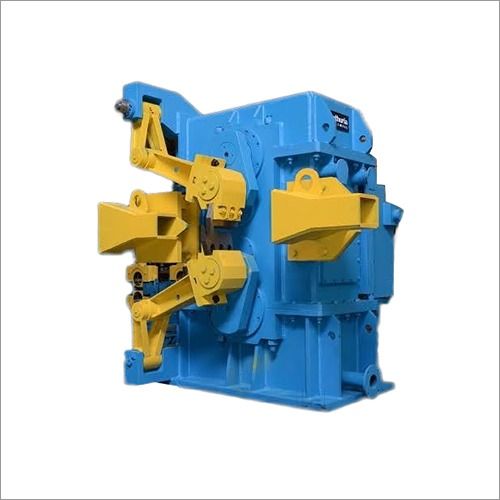
Section Mill
MOQ : 1 Piece
Section Mill Specification
- Usage & Applications
- Section Rolling for Beams, Channels, Angles, Rails
- Accessories
- Rollers, Gear Couplings, Lubrication System
- Temperature Range
- Ambient to 1200°C
- Production Capacity
- Up to 30,000 tons per annum
- Driven Type
- Motor/AC Drive
- Automation Grade
- Fully Automatic
- Speed
- Variable, Up to 1,000 RPM
- Model No
- As Per Requirement
- Frequency
- 50/60 Hz
- Installation Guideline
- Professional Installation Required
- Efficiency (%)
- Up to 95%
- Motor Power
- 50-500 HP
- Type
- Section Mill
- Material
- Stainless Steel / Alloy Steel / Mild Steel
- Computerized
- Yes
- Automatic Grade
- Automatic
- Control System
- PLC Controlled
- Drive Type
- Electric
- Voltage
- 380-440 V
- Power
- Up to 500 kW
- Weight (kg)
- According to Model
- Dimension (L*W*H)
- Customized
- Color
- Industrial Grey / Blue
- Capacity
- Up to 100 tons per hour
- Features
- High Precision, Durable Structure, Low Maintenance, Efficient Operation
- Machine Type
- Rolling Mill Machinery
- Surface Finish
- Polished / Painted
- Power Consumption
- Based on Configuration
- Roll Material
- Alloy Steel/Chilled Cast Iron
- Changeover Time
- Quick Change Capability, <30 min
- Shipping Condition
- Knocked Down or Assembled
- Max Input Material Size
- 150x150 mm
- Output Section Range
- Up to 600 mm
- Foundation Requirement
- Heavy Duty RCC Foundation
- Safety Features
- Emergency Stop, Safety Guards, Interlocks
- Maintenance Accessibility
- Easy Maintenance with Openable Covers
- Operating Noise Level
- <85 dB
- Lubrication Type
- Centralized/Oil Mist
- Preferred Usage Segment
- Steel Plants, Structural Fabricators
- Compliant Standards
- ISO 9001:2015, CE Certified
- Roll Diameter
- 250-600 mm
- Ambient Operating Humidity
- Up to 90% RH
- Cooling System
- Forced Water/Oil Cooling
- Spare Parts Supply
- Available on Request
- Operator Panel
- Touch Screen HMI
Section Mill Trade Information
- Minimum Order Quantity
- 1 Piece
- Supply Ability
- 100 Pieces Per Week
- Delivery Time
- 1 Week
About Section Mill
The Section Mill is effectively supplied to the Indian industries by our company for years. This mill is constructed from mechanically treated metals to protect the integrated components from corrosion, short-circuits, water, and other elements. It is compactly structured by using advanced machines and technologies. The provided Section Mill is available in both semi-automatic and automatic models to streamline production processes. This mill takes less space and time during the installation process. It is easy to operate and consumes less energy.
Engineered for High Precision and Productivity
With its variable speed (up to 1,000 RPM) and a substantial capacity of up to 100 tons per hour, the Section Mill combines cutting-edge automation and durable materials for exceptional output. Each component, from alloy steel rolls to the centralized lubrication system, is tailored for sustained high performance, making it the preferred choice for industrial section rolling.
Safety and Ease of Maintenance Built In
The mill prioritizes operator safety and ease of maintenance, featuring emergency stops, interlocked safety guards, and openable covers for unobstructed access. Maintenance is simplified, reducing downtime and maximizing throughput. Its compliant design (ISO 9001:2015, CE) ensures adherence to stringent safety and quality norms.
Flexible, Efficient Operations in Challenging Environments
Capable of running in up to 90% ambient humidity and temperatures up to 1200C, this mill is ideal for demanding factory spaces. It arrives in either knocked-down or assembled condition, ensuring smooth installation, and can be tailored with accessories and spare parts upon request, supporting seamless operation in diverse steel production settings.
FAQ's of Section Mill:
Q: How does the quick change capability of the Section Mill enhance productivity?
A: The Section Mill's quick change capability allows roll and setup changes in less than 30 minutes, reducing downtime and improving overall production efficiency. This feature helps operators adapt quickly to changing section requirements, maximizing output with minimal interruption.Q: What safety features are integrated into the Section Mill to protect operators?
A: The mill includes multiple safety measures such as emergency stop buttons, safety guards, and interlock systems. These features are designed to prevent accidents, ensuring operator protection during use and maintenance, and ensuring compliance with ISO and CE standards.Q: When should routine maintenance be performed, and how accessible are service points?
A: Routine maintenance should be scheduled as per the manufacturer's recommendations, which typically depend on usage intensity and operating hours. The mill is designed with openable covers, making all critical components easily accessible for inspection, servicing, and parts replacement.Q: Where can the Section Mill be installed, and are there any specific foundation requirements?
A: The Section Mill is suitable for installation in steel plants, structural fabrication shops, and similar industrial environments. It requires a heavy-duty RCC (reinforced cement concrete) foundation to ensure stability and performance, and professional installation is recommended.Q: What is the process for ordering spare parts or accessories for the Section Mill?
A: Spare parts and accessories can be ordered directly from the manufacturer, distributor, or authorized suppliers. Requests are typically fulfilled based on the model and configuration, ensuring compatibility and minimizing downtime during replacements.Q: How does the forced water/oil cooling system contribute to machine performance?
A: The forced water/oil cooling system regulates the mill's operating temperature, preventing overheating during high-intensity rolling. This maintains optimal performance levels, extends component longevity, and ensures consistent section quality.Q: What are the key benefits of using a PLC-controlled, fully automatic Section Mill?
A: A PLC-controlled, fully automatic system offers precise parameter control, enhanced process repeatability, and minimized human error. It streamlines production, improves section quality, and adapts easily to different product specifications, enabling higher efficiency and productivity.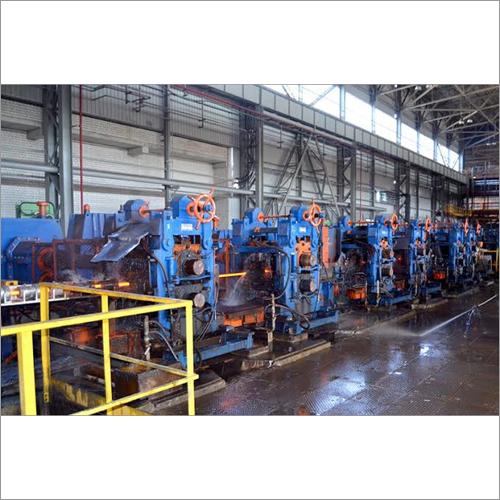
Tell us about your requirement

Price:
Quantity
Select Unit
- 50
- 100
- 200
- 250
- 500
- 1000+
Additional detail
Mobile number
Email

More Products in Steel Rolling Mill Plant Workshop Machine Category
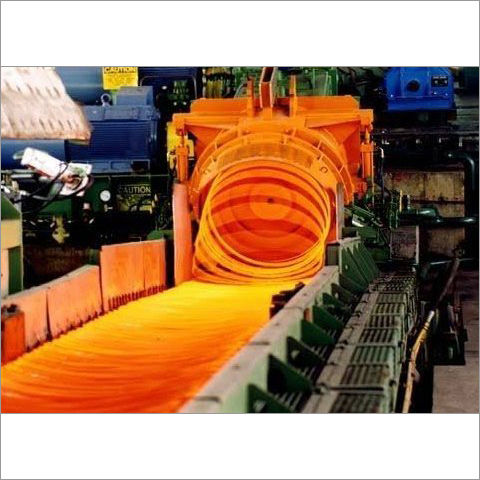
Wire Rod Rolling Mill
Price Range 100000.00 - 500000.00 INR / Piece
Minimum Order Quantity : 1 Piece
Installation Guideline : Supplied with installation manual and technical support
Type : Wire Rod Rolling Mill
Machine Type : Wire Rod Finishing Mill
Surface Finish : Other, Smooth, scalefree rods
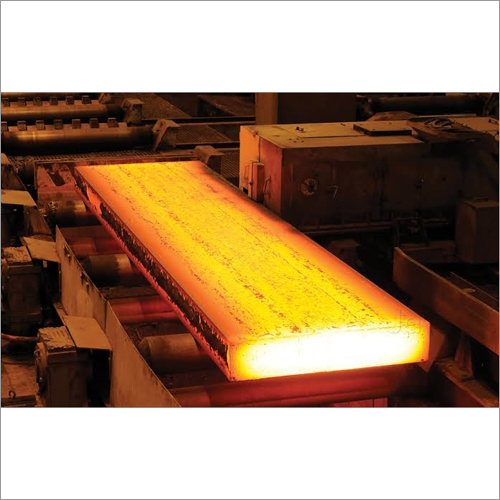
Structure Rolling Mill
Price Range 100000.00 - 500000.00 INR / Piece
Minimum Order Quantity : 1 Piece
Installation Guideline : Onsite support available
Type : Structure Rolling Mill
Machine Type : Rolling Mill Machine
Surface Finish : Other, Mill Finish
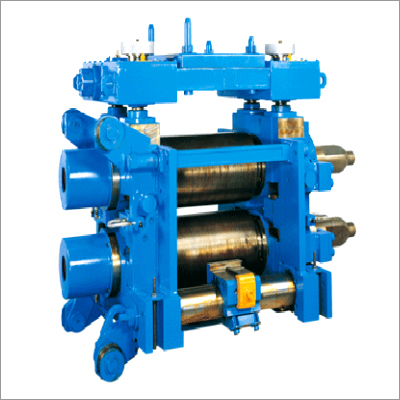
Hot Steel Rolling Mill Plant Workshop
Price Range 100000.00 - 500000.00 INR / Piece
Minimum Order Quantity : 1 Piece
Installation Guideline : Onsite installation & commissioning by experts
Type : Hot Steel Rolling Mill Plant Workshop
Machine Type : Steel Rolling Mill
Surface Finish : Other, Smooth, uniform, customizable
TMT Rolling Mill
Price Range 100000.00 - 500000.00 INR / Piece
Minimum Order Quantity : 1 Piece
Installation Guideline : Onsite assembly with professional supervision
Type : Hot Rolling Mill
Machine Type : TMT Bar Rolling Mill
Surface Finish : Other, Polished / Painted


 Send Inquiry
Our Products
- Lathe Machine
- Planer Machine
- Steel Rolling Mill Plant Workshop Machine
- Bending Machine
- Shearing Machine
- Cutting Machine
- CNC Lathe Machine
- Vertical Turning Lathe Machines
- Power Press
- Angle Cutter and Hydraulic Cutter Machine
- Hydraulic Press Machine
- Shaping Machine
- Radial Drilling Machine
- Hacksaw Machine
- Milling Machine
- Drilling Machine
- Grinder Machine
- Plano Miller Machine
- Surface Grinder Machine
- Sheet Bending and Shearing Machine
- Pipe End Facing Machine
- Boring Machine
- Slotter Machine
- Grinding Machines

Byepass Road, Near Golden Palm Palace, Gurdaspur,Batala - 143505, Punjab, India

Mr. Varun Aggarwal
(Proprietor)
Mobile :07315122360
 Send Inquiry
 Send SMS
 Call Me Free
Developed and Managed by Infocom Network Private Limited.
